
Video Wall Controller Systems
Modular, expandable controllers for command & control, security and events

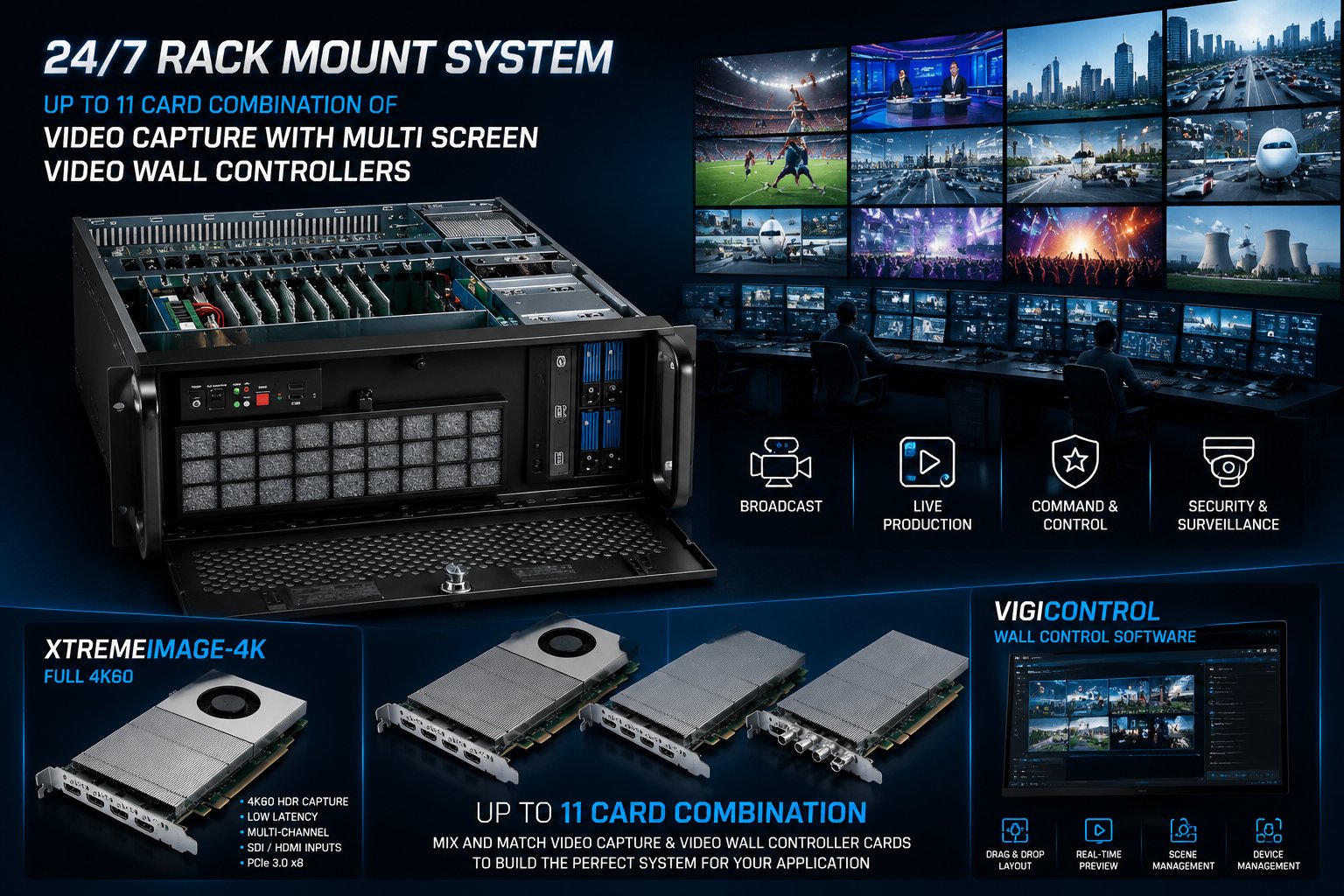
EMS video wall controller systems integrate many types of video and data sources onto any display configuration. Used across traffic control centres, command & control, events, security applications and entertainment. Highly expandable and flexible, built from our latest generation of video capture and graphics cards.
Not sure which chassis and cards you need?
Build your own system — choose a chassis, add capture and graphics cards, and get an instant parts list.
Not sure which chassis size your wall needs? See our buyer's guide in the Knowledge Base.
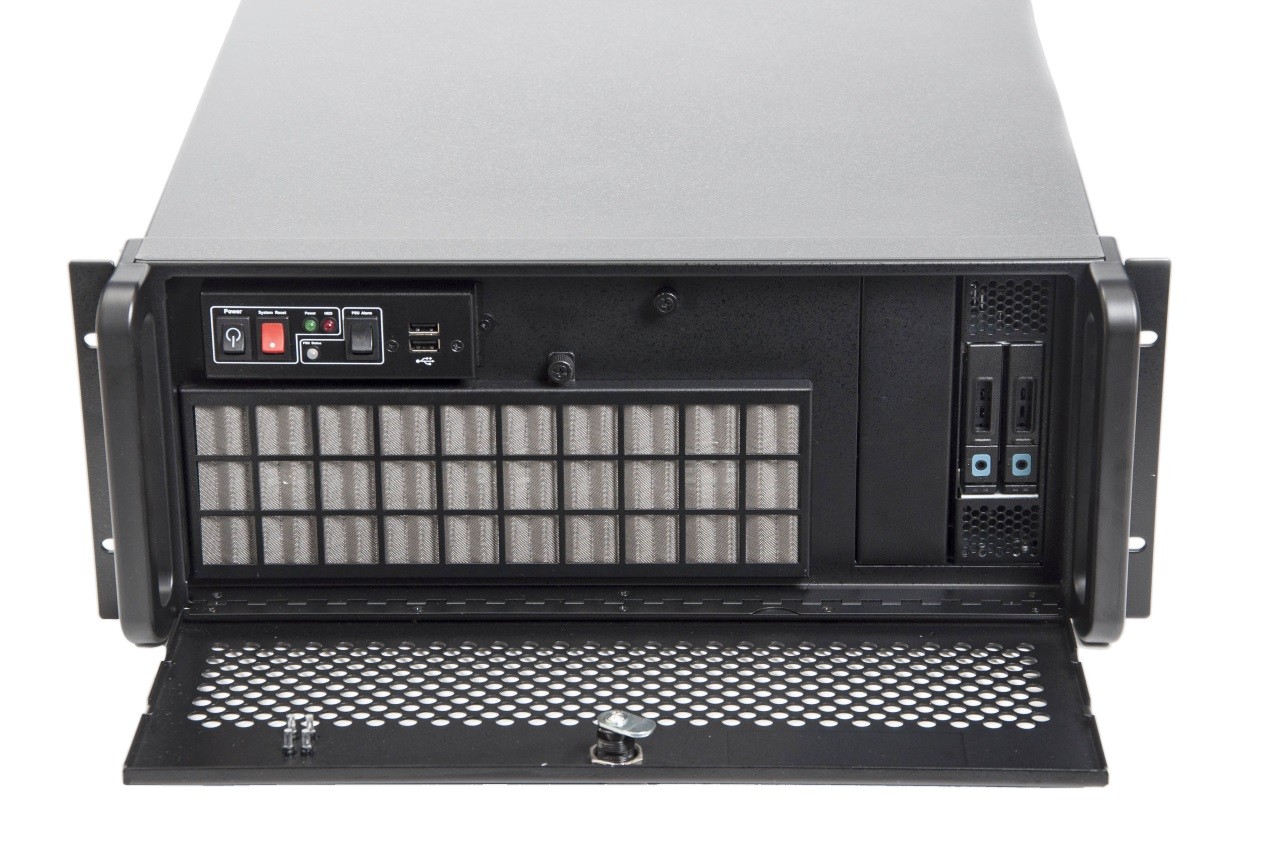 SKU: VSNV35ARPSU
Xtreme-VSNV3 5-Slot — Core i9
- 5-slot PCIe backplane, current VSNV3 generation
- Core i9 (12th gen, 5.10GHz, 30MB cache) processor
- Standard 32GB memory (upgrade to 64GB)
- 2x 240GB hot-swap SSD, RAID1 (upgrade: 2x 480GB)
SKU: VSNV35BRPSU
Xtreme-VSNV3 5-Slot — Core i7
- 5-slot PCIe backplane, current VSNV3 generation
- Core i7 (12th gen, 4.90GHz, 25MB cache) processor
- Standard 32GB memory (upgrade to 64GB)
- 2x 240GB hot-swap SSD, RAID1 (upgrade: 2x 480GB)
SKU: VSNV35CRPSU
Xtreme-VSNV3 5-Slot — Core i5
- 5-slot PCIe backplane, current VSNV3 generation
- Core i5 (current generation) processor
- Standard 32GB memory (upgrade to 64GB)
- 2x 240GB hot-swap SSD, RAID1 (upgrade: 2x 480GB)
SKU: VSNV35GRPSU
Xtreme-VSNV3 5-Slot — Single Xeon
- 5-slot PCIe backplane, current VSNV3 generation
- Xeon W-1270E (10th gen, 4.8GHz, 16MB cache) processor
- Standard 32GB memory (upgrade to 128GB)
- 2x 240GB hot-swap SSD, RAID1 (upgrade: 2x 480GB)
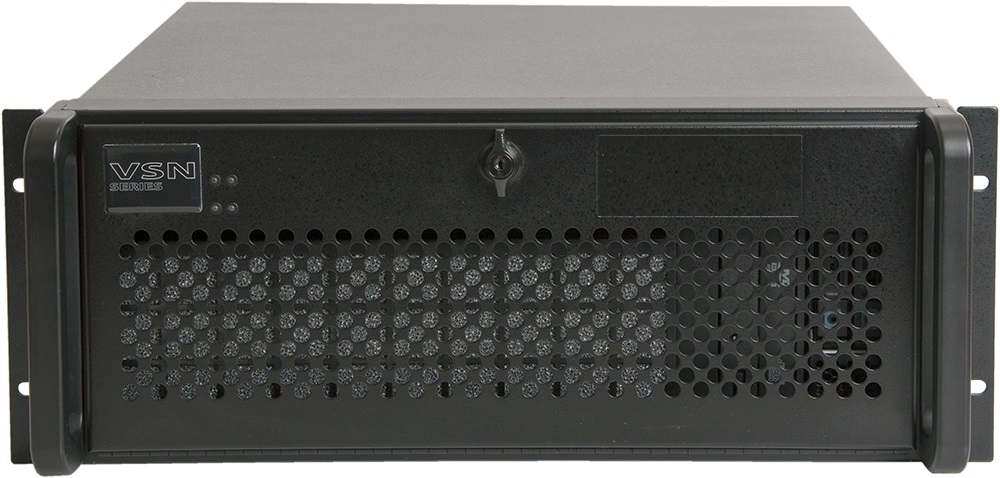 SKU: VSNV311ARPSU
Xtreme-VSNV3 11-Slot — Core i9
- 11-slot PCIe backplane, current VSNV3 generation
- Core i9 (12th gen, 5.10GHz, 30MB cache) processor
- Standard 32GB memory (upgrade to 64GB)
- 2x 240GB hot-swap SSD, RAID1 (upgrade: 2x 480GB)
SKU: VSNV311BRPSU
Xtreme-VSNV3 11-Slot — Core i7
- 11-slot PCIe backplane, current VSNV3 generation
- Core i7 (12th gen, 4.90GHz, 25MB cache) processor
- Standard 32GB memory (upgrade to 64GB)
- 2x 240GB hot-swap SSD, RAID1 (upgrade: 2x 480GB)
SKU: VSNV311GRPSU
Xtreme-VSNV3 11-Slot — Single Xeon
- 11-slot PCIe backplane, current VSNV3 generation
- Xeon W-1270E (10th gen, 4.8GHz, 16MB cache) processor
- Standard 32GB memory (upgrade to 128GB)
- 2x 240GB hot-swap SSD, RAID1 (upgrade: 2x 480GB)
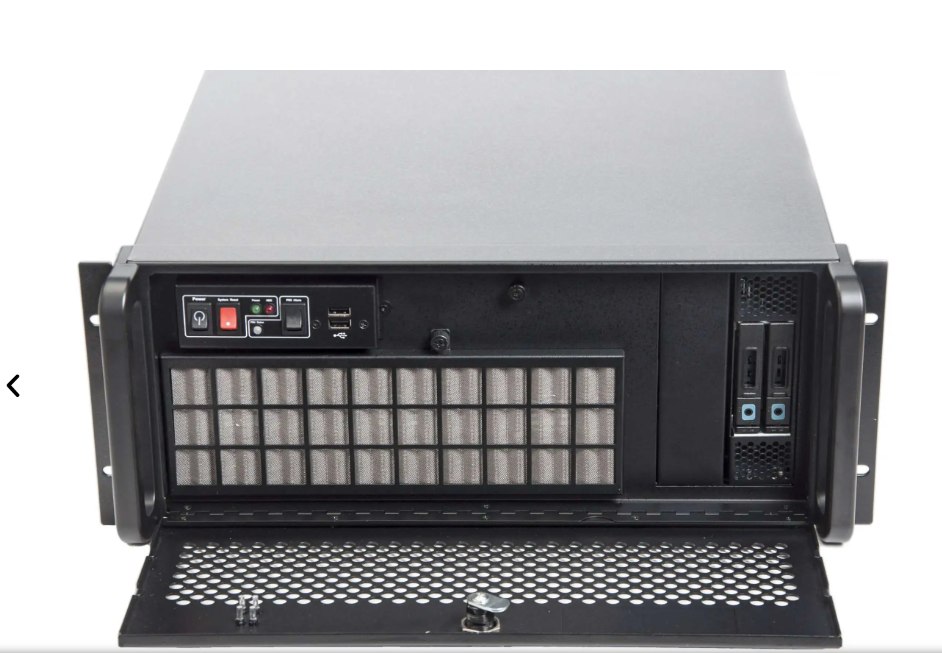 SKU: VSN1192
Xtreme-VSN1192
- 11-slot backplane, dual Intel Xeon E5-2618L v3 (2.3GHz, 8-core, 20MB cache)
- Up to 128GB memory — the highest ceiling in the VSN family history
- 800W redundant hot-swap PSU
- 2x 240GB SSD RAID1 standard (upgrade to 480GB)
Built for the applications that can't afford to fail
Freely mix Xtreme capture, XtremeImage graphics and ActiveSQX decode cards in the same chassis to match exactly what a wall needs
PCIe 3.0 switched backplane gives every slot up to 8GB/s of bandwidth — no bottleneck from cards competing for the bus
Built for 24/7 duty: redundant hot-swap PSU, hot-swappable fans, and Wall Monitor health alerting on every chassis
Expand later without replacing the system — add an expansion chassis rather than a second full controller
Frequently Asked Questions
How do I choose between the 5-slot and 11-slot VSNV3?
Count every capture and graphics card the wall needs on day one, add a couple of spare slots for growth, then pick whichever chassis comfortably covers that total. If it fits in 5 slots, that's the more cost-effective and compact choice; once past 5, go straight to the 11-slot rather than planning an immediate expansion.
What's the difference between the current VSNV3 and the VSN1192?
VSNV3 is the current 12th-generation platform and the right default for new projects. The VSN1192 is a previous-generation, dual-Xeon chassis kept in the range specifically for its higher 128GB memory ceiling — it runs Windows 10 LTSC only and needs a different expansion chassis (VSN1100X) than the current range.
Which processor tier should I choose?
Xeon for steady-state 24/7 monitoring workloads or where the 128GB memory ceiling is needed; Core i7/i9 where multiple simultaneous 4K streams or heavier graphics processing are involved.